Crucial Way Of Life Considerations Prior To Moving to Assisted Living
@jaspersmsp077
Business Name: BeeHive Homes of Lamesa TX
Address: 101 N 27th St, Lamesa, TX 79331
Phone: (806) 452-5883
BeeHive Homes of Lamesa
Beehive Homes of Lamesa TX assisted living care is ideal for those who value their independence but require help with some of the activities of daily living. Residents enjoy 24-hour support, private bedrooms with baths, medication monitoring, home-cooked meals, housekeeping and laundry services, social activities and outings, and daily physical and mental exercise opportunities. Beehive Homes memory care services accommodates the growing number of seniors affected by memory loss and dementia. Beehive Homes offers respite (short-term) care for your loved one should the need arise. Whether help is needed after a surgery or illness, for vacation coverage, or just a break from the routine, respite care provides you peace of mind for any length of stay.
101 N 27th St, Lamesa, TX 79331
Business Hours
Moving to assisted living is seldom a choice made on impulse. It typically gets here after a series of smaller minutes, a missed out on medication, a fall, an oven left on, a spouse who is progressively tired, or a grown-up child recognizing that "simply signing in" is no more sufficient. By the time family members start looking for assisted living near me or comparing senior living neighborhoods, they are generally handling greater than logistics. They are taking care of guilt, fear, financial resources, despair, and the really functional inquiry of what every day life will in fact appear like as soon as the relocation happens.
That is why the conversation needs to not begin and finish with layout and regular monthly costs. Lifestyle factors to consider matter equally as high as care demands. A good assisted living area can offer safety, support, and social link, yet the change still alters nearly every component of an individual's routine. Meals, privacy, rest, friendships, hobbies, transport, and even the feeling of identification can shift rapidly. The best outcomes tend to happen when family members think past the care strategy and look truthfully at the lived experience of the move.
The emotional truth of leaving a veteran home
For several older grownups, the home they are leaving is more than a building. It is a container for memory. It may hold the marks of a marital relationship, the books gathered over decades, the yard planted by hand, or the kitchen where household vacations always appeared to begin. Leaving it can feel much less like downsizing and more like closing a chapter that still has unfinished business.
That emotional weight is simple to ignore. Families in some cases focus on what will certainly be much easier after the relocation, like say goodbye to lawn job or no more stairways, while overlooking the pain that can come with shedding acquainted surroundings. I have actually seen homeowners that readjusted rapidly once they really felt safe and resolved, and I have actually additionally seen individuals who took months to fully unpack because they were grieving the concept of home as high as the house itself.
This is where pacing matters. Preferably, the action ought to be treated as a shift, not a solitary occasion. Arranging items a little at once, visiting the neighborhood prior to move-in day, and bringing items of the old home right into the brand-new one can decrease the shock. A favorite chair, mounted images, an acquainted light, or a well-used patchwork can do more than embellish an area. They anchor the new area in memory and make it really feel much less temporary.
Daily regular modifications greater than people expect
People typically imagine assisted living as just "aid with a few points." That holds true, however just part of the tale. The framework of the day modifications in ways that can be either calming or disruptive, depending on the person.
At home, somebody may have eaten morning meal at 10 a.m. For many years, taken a nap after lunch, and enjoyed the night news in a certain chair. In assisted living, meals occur on a timetable, activities are offered at established times, and team routines form the rhythm of the day. For some residents, that framework is an alleviation. They no longer have to plan every dish or ask yourself when help is offered. For others, it can really feel limiting at first.
The crucial inquiry is not whether framework exists, because it always does in some type. The actual question is whether the community's pace fits the person's individuality and routines. A really social resident might take pleasure in a schedule filled with activities and shared meals. Somebody who has actually always favored silent mornings and lengthy stretches of analysis might need a neighborhood that respects privacy and offers adaptable engagement.
A useful way to consider this is to compare support and supervision. Good assisted living preserves as much option as feasible while still providing help where it is required. If a neighborhood's timetable seems as well stiff, that deserves seeing early. Way of living fit often tends to matter a lot more gradually than a sleek sales brochure or a perfectly staged apartment.
Social life can improve, yet only if the fit is right
One of the most significant advantages of assisted living is the chance to rebuild social link. Numerous older adults live with a reducing circle. Pals relocate away, driving ends up being harder, and social chances slim. Loneliness can sneak in silently and impact appetite, power, rest, and state of mind. A well-run senior living area can interrupt that isolation in a healthy and balanced way.
Still, socializing is not automatic. A person that has actually invested years in a silent house may not instantly come to be outbound because there is a bingo night on the calendar. Some homeowners flourish in team setups, while others like individually discussion or small, familiar events. Neighborhoods differ extensively in culture. Some are dynamic and busy. Others are calmer and more residential in feeling. That distinction matters.
Families taking a look at assisted living should pay attention to the tone of the typical spaces. Do citizens appear engaged or just offer? Are individuals chatting with each other, or resting alone in silence? Are there varied activities, or only one type of programming repeated each week? A resident who likes songs, faith-based celebrations, or horticulture might flourish in a neighborhood that uses those rate of interests. Somebody who chooses present occasions, silent reading groups, or walking clubs might need a different environment.
Sometimes the first social link is not with a planned activity at all. It is with the next-door neighbor across the hall, the dining room web server that remembers a favored tea, or the resident that also matured in the exact same community. Those small human moments are frequently what make assisted living feel like home.

Meals are not a small detail
Food influences even more than nutrition. It forms routine, comfort, memory, and social interaction. For someone transitioning from home to assisted living, the dining experience can either feel like a welcome alleviation or a stable resource of frustration.
Some people are pleased to allow go of grocery purchasing and food preparation. They appreciate having actually meals prepared, dishes cleared, and selections offered without initiative. Others are really connected to their own kitchen habits. They might miss cooking a basic morning meal, flavoring food to taste, or snacking on a preferred timetable. If a resident has strong food choices, the eating program can become one of one of the most essential way of living consider the entire move.
It is important to ask straight inquiries concerning flexibility. Can dishes suit dietary restrictions, allergic reactions, or social choices? Exactly how is texture-modified food handled? Are homeowners able to request replacements? What takes place if a person misses out on a dish due to the fact that they go to a visit? These details issue because they impact dignity as long as convenience.
The dining-room ambience matters too. A hurried, loud room can dissuade a person from consuming well. A pleasant, unrushed dish with great lighting and attentive solution can make the day really feel anchored. For numerous older grownups, meals turn into one of the primary social touchpoints in assisted living, which is why the dining society should have very close attention, not a fast glance.
Privacy, independence, and the tough limit in between help and intrusion
One of one of the most fragile way of life changes in assisted living is finding out just how assistance will operate in an extra visible environment. In the house, a person can shut the front door and move with the day with few disturbances. In assisted living, personnel might enter for medicines, housekeeping, wellness checks, or individual care. That can really feel calming, but it can also really feel intrusive if the timing and communication are not taken care of well.
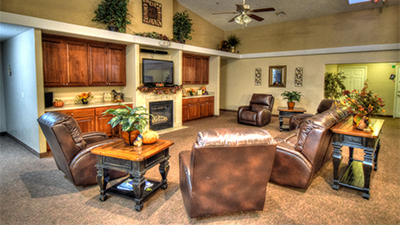

This is where freedom should be defined very carefully. Self-reliance does not suggest doing every little thing alone. It suggests having enough control to choose, preserve privacy, and keep a sense of firm. A resident may need assistance bathing, dressing, or bearing in mind drugs, yet still want to choose what time to awaken, whether to participate in an activity, or how to prepare the furnishings in their apartment.
Families sometimes undervalue assisted living near me exactly how essential small selections become when larger choices are restricted. Having the ability to pick in between tea and coffee, keep the door slightly open, or decide when to rest can preserve self-respect in ways that are very easy to miss out on from the outside.
Before moving, it helps to speak simply regarding limits. What type of support are supplied on demand? Just how does the community deal with knock-and-enter methods? Are locals encouraged to take part in their very own care regimens when feasible? Those conversations can stop misunderstandings later, specifically for people who have actually always valued self-sufficiency.
The pace of the move itself can form adjustment
A hurried relocation usually produces preventable tension. When the change is pressed because of a hospitalization, an unexpected decline, or a caregiver emergency situation, older grownups may arrive in assisted living already disoriented and fatigued. Also a great community can feel frustrating if the person has actually had no opportunity to process the change.
When time permits, prep work should be practical and personal. A pre-move visit works, but so is taking note of the less evident parts of every day life. What is the lighting like in the apartment in late afternoon? Can the resident reach the washroom conveniently in the evening? Exists space for a favored recliner chair, pedestrian, or hobby devices? A person who bakes might miss out on the ritual of determining ingredients, also if they no more require a full kitchen area. A former woodworker may want area for tools or simple projects.
The relocation also impacts household routines. Grown-up youngsters often end up being the organizers, moving companies, and psychological shock absorbers. Their very own stress and anxiety can spill right into the process if everyone is attempting to handle too much at the same time. In some cases, short-term respite care can develop breathing space. It offers family members time to test a routine, collect possessions thoughtfully, or deal with a post-hospital recuperation before dedicating to an irreversible move.
That test period can be exceptionally beneficial. It reveals whether the community's rhythm operates in technique, not simply on paper. It likewise offers the older grownup an opportunity to evaluate the social atmosphere, the eating, the care response, and the psychological fit before working out in fully.
Health requirements are just part of the equation
Assisted living is designed for people who need assistance with day-to-day jobs, not extensive medical care. That difference matters when households are comparing options. Some individuals move in since they need aid with bathing, dressing, dishes, or drug suggestions. Others arrive after a hospitalization and are still recovering stamina and confidence. The degree of assistance might alter in time, but the community still requires to match the resident's actual wellness profile.
This is where a cautious testimonial of care demands comes to be crucial. If a person has frequent falls, significant memory disability, oxygen needs, or intricate medical regimens, the family members should ask whether assisted living is truly the best setting or whether a higher degree of support is required. Not every area can securely take care of every situation.
It is likewise worth asking how the neighborhood responds when a resident's needs alter. Some people enter assisted living and gradually require more help. Others continue to be rather stable for several years. The most effective preparation make up both opportunities. Households need to understand what reassessments resemble, just how promptly care strategies can be upgraded, and when a relocate to another level of care might end up being necessary.
Good senior care is not just about conference today's demands. It has to do with expecting tomorrow's likely modifications without making the resident seem like a situation file. That balance takes judgment, and it is one factor a thoughtful in-person discussion issues more than advertising language.
Before choosing an area, ask the inquiries that impact daily life
A brightened tour can hide a whole lot. The lobby might be attractive, the dining room pristine, and the staff welcoming. Those things matter, however they do not inform the whole story. Way of living fit turns up in common moments, not simply in sales presentations.
When families are contrasting assisted living communities, it assists to concentrate on inquiries that reveal how day-to-day live truly works.
- What does a common day appear like for homeowners that choose a silent routine?
- How adaptable are dishes, showering times, and activity participation?
- What assistances are offered for homeowners that are socially reserved or tough of hearing?
- How are family visits dealt with, and are there puts for personal time together?
- How does the area assistance transitions from short-term rehabilitation, hospitalization, or respite care?
These concerns serve due to the fact that they move the conversation away from abstract assurances and towards lived experience. The responses often disclose whether a neighborhood will feel respectful and comfortable over time.
Money alters the way of life discussion too
Finances are not a different problem from lifestyle, they form it. Assisted living has a monthly price that may consist of housing, meals, individual care, house cleaning, transportation, and activities. Yet not every community bundles those services the same way. A household that just compares the base price might marvel later on by added costs for medicine monitoring, extra care hours, laundry, or specialized support.
That is why it is very important to look past the heading cost. The best inquiry is not just, "Can we manage this month?" It is, "What degree of service is included, and what might the next 6 to twelve months call for?" A resident who requires even more assistance with time may experience a significant rise in monthly cost.
Families usually begin by searching for senior care near me and then uncover that the regional market differs widely. Some communities seem inexpensive initially glimpse, yet concealed costs tighten the space. Others show up a lot more pricey yet consist of even more assistance in the base price. Budgeting with practical assumptions, rather than best-case assumptions, can prevent unpleasant surprises later.
It likewise aids to take into consideration the cost of stagnating. When a caregiver is burning out, when home alterations end up being costly, or when a fall results in duplicated emergency visits, the monetary photo can alter promptly. Assisted living is not constantly the cheapest choice, however in the best scenario, it can stabilize both care and family life.
The ideal relocation is the one that protects dignity
People sometimes discuss assisted living as though it is just around safety. Safety issues, however self-respect issues just as much. A good transition values the older adult's choices, routines, and background. It identifies that a resident is not simply somebody who requires assistance, but someone that still has opinions, routines, and a sense of self.
That is why the little points are commonly the big points. The capability to hang familiar artwork. The opportunity to bring a precious blanket. The option to go to activities without being pressed right into them. The freedom to have a quiet afternoon when energy is reduced. These information do disappoint up in a clinical chart, yet they form whether an individual feels like a resident or a guest.
Families that take time to analyze way of living issues generally make much better decisions. They discover whether the area appreciates personal privacy, whether dishes feel inviting, whether the social setting fits the resident's temperament, and whether the care version can adjust with time. Those observations are extra trustworthy than any shiny brochure.
Assisted living can be an actual enhancement in quality of life when the step is taken care of with honesty and care. For lots of older grownups, it brings relief, companionship, and a much safer day-to-day rhythm. For households, it can change continuous crisis monitoring with something steadier and much more lasting. The change works best when it is prepared around the person's real life, not just the level of assistance they need.
BeeHive Homes of Lamesa TX provides assisted living care
BeeHive Homes of Lamesa TX provides memory care services
BeeHive Homes of Lamesa TX provides respite care services
BeeHive Homes of Lamesa TX supports assistance with bathing and grooming
BeeHive Homes of Lamesa TX offers private bedrooms with private bathrooms
BeeHive Homes of Lamesa TX provides medication monitoring and documentation
BeeHive Homes of Lamesa TX serves dietitian-approved meals
BeeHive Homes of Lamesa TX provides housekeeping services
BeeHive Homes of Lamesa TX provides laundry services
BeeHive Homes of Lamesa TX offers community dining and social engagement activities
BeeHive Homes of Lamesa TX features life enrichment activities
BeeHive Homes of Lamesa TX supports personal care assistance during meals and daily routines
BeeHive Homes of Lamesa TX promotes frequent physical and mental exercise opportunities
BeeHive Homes of Lamesa TX provides a home-like residential environment
BeeHive Homes of Lamesa TX creates customized care plans as residents’ needs change
BeeHive Homes of Lamesa TX assesses individual resident care needs
BeeHive Homes of Lamesa TX accepts private pay and long-term care insurance
BeeHive Homes of Lamesa TX assists qualified veterans with Aid and Attendance benefits
BeeHive Homes of Lamesa TX encourages meaningful resident-to-staff relationships
BeeHive Homes of Lamesa TX delivers compassionate, attentive senior care focused on dignity and comfort
BeeHive Homes of Lamesa TX has a phone number of (806) 452-5883
BeeHive Homes of Lamesa TX has an address of 101 N 27th St, Lamesa, TX 79331
BeeHive Homes of Lamesa TX has a website https://beehivehomes.com/locations/lamesa/
BeeHive Homes of Lamesa TX has Google Maps listing https://maps.app.goo.gl/ta6AThYBMuuujtqr7
BeeHive Homes of Lamesa TX has Facebook page https://www.facebook.com/BeeHiveHomesLamesa
BeeHive Homes of Lamesa has an YouTube page https://www.youtube.com/@WelcomeHomeBeeHiveHomes
BeeHive Homes of Lamesa TX won Top Assisted Living Homes 2025
BeeHive Homes of Lamesa TX earned Best Customer Service Award 2024
BeeHive Homes of Lamesa TX placed 1st for Senior Living Communities 2025
People Also Ask about BeeHive Homes of Lamesa TX
What is BeeHive Homes of Lamesa Living monthly room rate?
The rate depends on the level of care that is needed. We do an initial evaluation for each potential resident to determine the level of care needed. The monthly rate is based on this evaluation. There are no hidden costs or fees
Can residents stay in BeeHive Homes until the end of their life?
Usually yes. There are exceptions, such as when there are safety issues with the resident, or they need 24 hour skilled nursing services
Do we have a nurse on staff?
No, but each BeeHive Home has a consulting Nurse available 24 – 7. if nursing services are needed, a doctor can order home health to come into the home
What are BeeHive Homes’ visiting hours?
Visiting hours are adjusted to accommodate the families and the resident’s needs… just not too early or too late
Do we have couple’s rooms available?
Yes, each home has rooms designed to accommodate couples. Please ask about the availability of these rooms
Where is BeeHive Homes of Lamesa TX located?
BeeHive Homes of Lamesa is conveniently located at 101 N 27th St, Lamesa, TX 79331. You can easily find directions on Google Maps or call at (806) 452-5883 Monday through Sunday 9:00am to 5:00pm
How can I contact BeeHive Homes of Lamesa TX?
You can contact BeeHive Homes of Lamesa by phone at: (806) 452-5883, visit their website at https://beehivehomes.com/locations/lamesa/, or connect on social media via Facebook or YouTube
Forrest Park offers shaded areas and walking paths suitable for assisted living and elderly care residents enjoying gentle respite care outings.